


Founded in 1965 in Thiruvananthapuram, inaugurated by Governor Bhagawan Sahay, Chitralekha became Kerala’s first film society. Inspired by the Bengal movement, it quickly became a cooperative under the Kerala Co-operative Societies Act, creating India’s first film production cooperative. This bold experiment produced Swayamvaram (1972), Adoor Gopalakrishnan’s debut, which won four National Awards and redefined Indian parallel cinema. Other notable productions include Kodiyettam (1978).
Chitralekha also created physical landmarks – its studio at Akkulam, designed by Laurie Baker, remains a cultural heritage site blending Kerala motifs with modernist design.
 Vision
 Mission
We strive to preserve Kerala’s cinematic heritage while democratizing access to world cinema. Our mission is to nurture independent voices, empower women filmmakers, and promote socially relevant storytelling. As a cooperative enterprise, we blend cultural ambition with social responsibility, using cinema as a powerful tool for education, social transformation, and cultural pride.
The society's strength came from its diverse group of founding members
shared a passion for cinema.
Some notable members included:
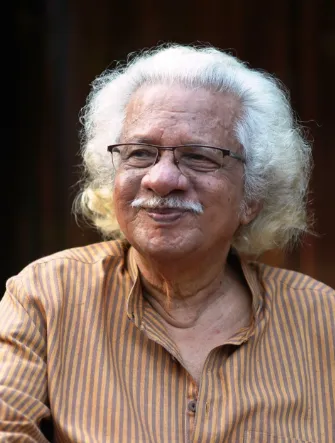
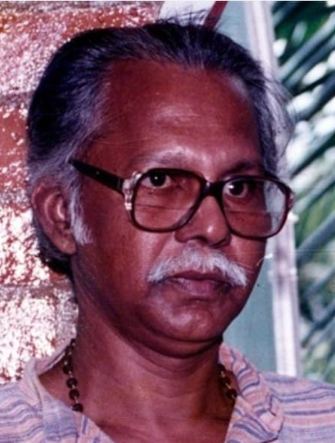
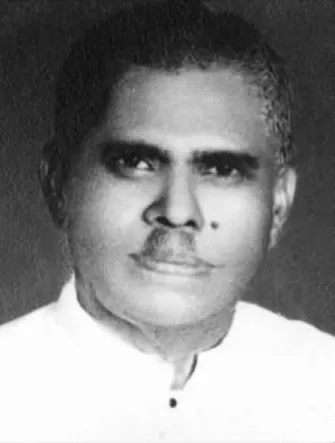

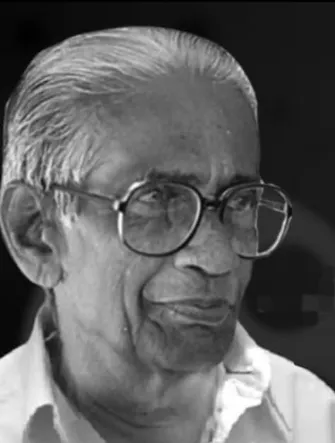

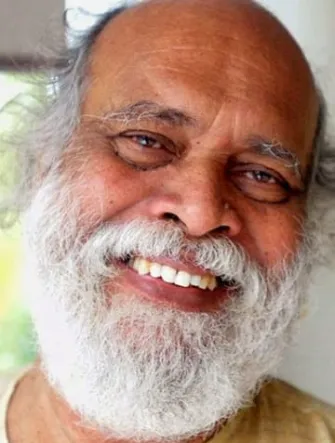
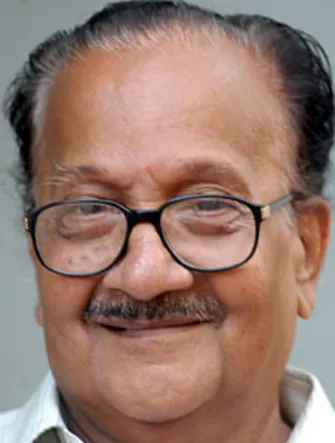

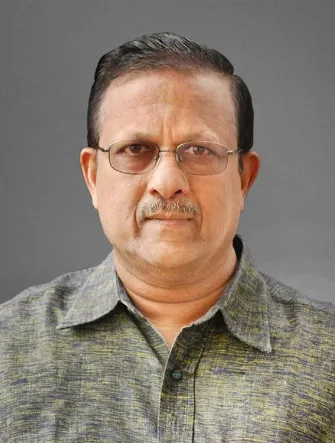
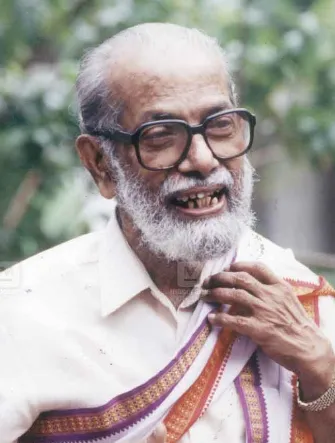
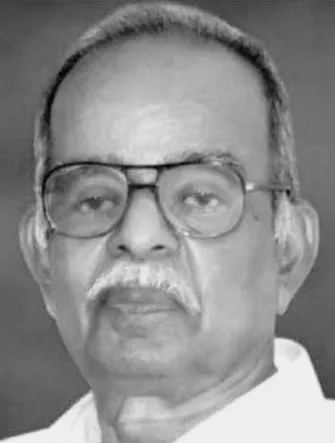
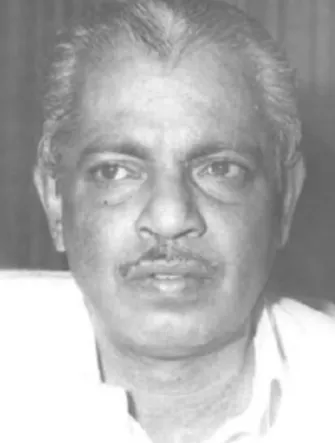
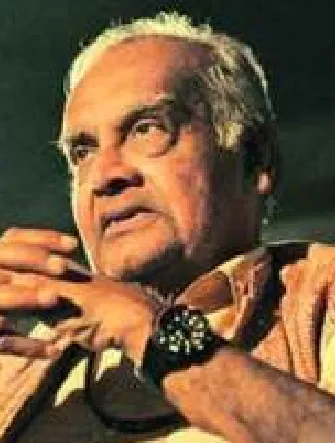

15 democratically elected members, reserved seats for youth, women, SC/ST.
Advisory Board of eminent personalities in film, culture, and cooperative governance.
Editorial Board of experts in media, new media, and journalism guiding publications and digital platforms.
Festivals, Digital Outreach, Education & Training, Finance & Fundraising, Women in Cinema, Youth & Campus, 60th Anniversary.
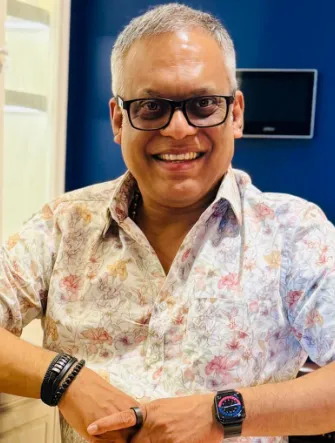
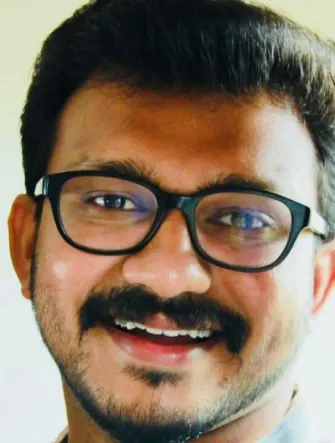
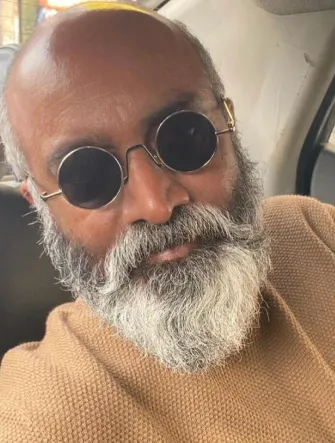
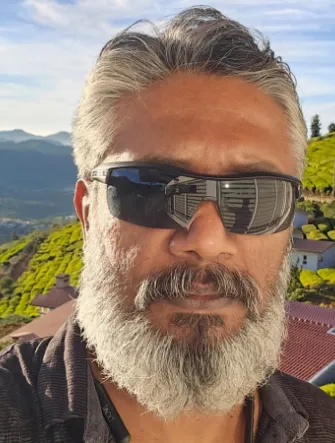
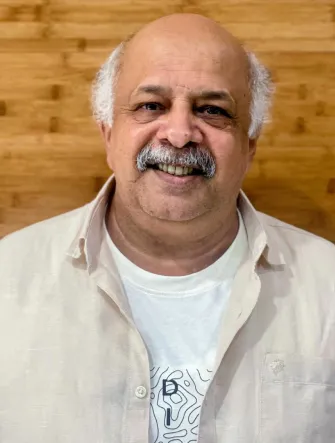

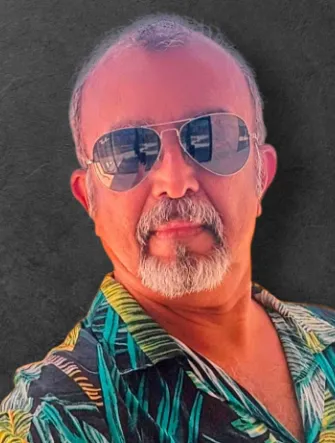
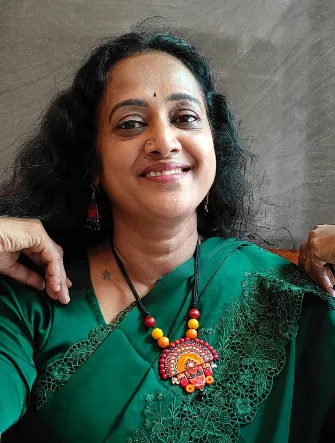
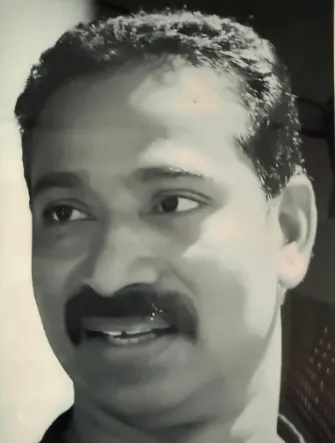
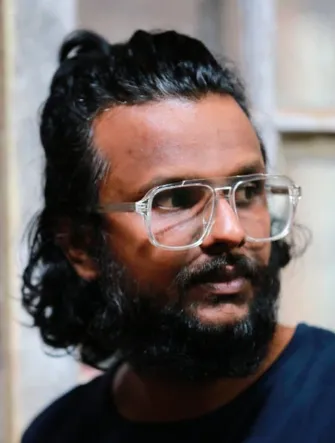


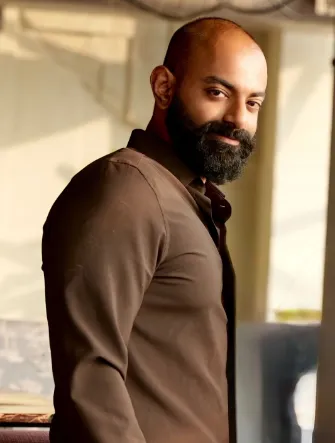



Sandip Senan is an Indian film Producer. He started his career in 1999 as an executive producer for several blockbusters. Drawing on his 26years of experience in the movie industry, Sandip Senan has made a significant mark on the Malayalam film industry through the production and distribution of 13 acclaimed movies, 15 movies as Executive Producer. His work has been recognized with numerous prestigious awards, including two National Awards for Best Film.
His movie was premiered at the IFFI, being selected at the Indian Panorama. He has also been honoured with Kerala State Film Awards, SIIMA, Filmfare Awards, Film Critics’ Awards, along with accolades from international film festivals such as New York Indian Film Festival, Pune International Film Festival, Chennai International Film Festival, and Bangalore International Film Festival.
Beyond his creative achievements, Sandip Senan has played a crucial role in various industry organizations. He has served as the convenor of the delegates cell for the IFFK for two consecutive years (2013-2014) and was a member of the Censor Board advisory panel for 9 years, contributing to the Central Board of Film Certification.
Currently, his leadership extends to key industry bodies, serving as Vice President of the Kerala Film Producers Association and holding executive committee positions for the Kerala Film Distributors Association, the Kerala Film Chamber of Commerce and the South Indian Film Chamber of Commerce. He moderated the talk at the Kerala Film Policy Conclave, on the topic “Theatre’s, E-Ticketing, Distributors, and Exhibitors – A Policy Dialogue”, with eminent personalities from the Indian film industry, as panellists. He was a jury member for the official Indian Oscar entry, further solidifying his standing as a respected and influential figure in the world of cinema.
Santhosh Damodharan is a prominent Indian film producer, distributor, and actor who has been an active force in the Malayalam film industry since 2002. He is the founder of Damor Cinema, a production house that has delivered several landmark films admired for their artistic merit and popular appeal.
Over the years, Santhosh has produced 12 notable films including Pakalppooram (2002), Chandrolsavam (2005), and Kurukshetra (2008), each of which showcased his commitment to quality cinema that resonates with diverse audiences. Expanding beyond Malayalam cinema, he also produced the Hindi film Moheli Gaav (2010), reflecting his wider interest in diverse cinematic traditions. His experience further extends to distribution, having successfully released films such as Oru Naal Varum (2010), cementing his role as a versatile contributor to Indian cinema.
In addition to his work behind the camera, Santhosh stepped into acting, debuting as the lead antagonist in Krishnankutty Pani Thudangi (2021), following his earlier on-screen appearance in Kurukshetra (2008). His dual engagement as both producer and actor reflects his dynamic involvement in storytelling from multiple perspectives.
Recognizing his expertise and dedication to cinema, the Government of India appointed him as a Member of the South-I Feature Films Jury for the 70th National Film Awards (2022), an acknowledgment of his critical eye for excellence in filmmaking.
As the Managing Director of Chitralekha Film Cooperative Ltd, Santhosh Damodharan is committed to transforming the cooperative into a vibrant hub for filmmakers and cinephiles. His vision is to promote independent filmmaking, strengthen film society activities, and build stronger connections with film festivals in India and abroad. With a passion for meaningful cinema and cultural exchange, he seeks to nurture new voices while ensuring that Malayalam cinema continues to find its place on global platforms.
With over 35 years of experience in marketing and media, S. Vijayakrishnan Nair brings a wealth of expertise to the film industry. As a Creative & Conceptualisation Head, he has worked with prominent clients such as Coca Cola India, Asianet, and Kerala Tourism. Vijayakrishnan has conceptualized and produced numerous advertisements, documentaries, and promotional films, showcasing his creative vision. His production portfolio includes notable projects such as docu-commercials for Coca Cola India, advertorials for Indus International School, and promotional films for The Arya Vaidya Sala, Kotakkal.
He has also conceptualized and scripted several successful campaigns, including Ujala Washing Powder and Speed Washing Powder. Vijayakrishnan's client servicing experience spans top brands like HSBC India, HDFC, and Kerala Tourism. Additionally, he has provided PR consultancy services to clients like Coca Cola India and Air India. His association with the movie industry includes consulting, concept development, and brand integration for films like Vettom, Mahasamudram, and Neelathamara. As a director, he has worked on election campaign advertisement films and has been involved in various events, including the Asianet Award Nites and Janmabhumi Award Nites.
Notably, he has been a Preview Committee Member at the 55th International Film Festival of India (IFFI) in Goa, 2024, and serves as a Panelist for the Censor Board, Kerala Region. His extensive experience in media and marketing has equipped him with a unique perspective, which he now brings to his role as a Director Board Member of Chitralekha Film Society. With a proven track record of delivering successful campaigns and events, Vijayakrishnan is a valuable asset to the film community.
Prof. Haroon Rasheed is a distinguished figure in the realm of education, culture, and cinema. As a retired Associate Professor of English from Sir Syed College, Taliparamba (2010), he has inspired generations of students through literature and theatre. With a lifelong passion for cinema, Prof. Rasheed has been actively involved in various film-related initiatives.
He co-founded the Cannanore Film Society at Thalassery in 1974, with the support of Chitralekha Film Society, Trivandrum, led by Adoor Gopalakrishnan and Kulathoor Bhaskaran Nair. Later, in 1983, he became a member of the Chitralekha Film Cooperative and actively participated in its meetings. He also assisted Kulathoor Bhaskaran Nair in producing a government-sponsored documentary on Kerala's cooperative movement.
As a devoted cinephile, Prof. Rasheed has been a regular delegate at the International Film Festival of Kerala (IFFK) and the International Film Festival of India (IFFI). He has also contributed academically by teaching undergraduate courses in Film Studies, enriching young minds with a critical understanding of cinema.
In addition to his academic and cinematic pursuits, Prof. Rasheed has been a member of the Kerala Cricket Association (KCA) for eight years and served as the Convenor of the Finance Committee for four years. Since his retirement, he has been acting as a judge for inter-collegiate university Arts Festivals of Kannur and Calicut University.
Prof. Rasheed's journey with Chitralekha Film Cooperative reflects his dedication to promoting film society movements in Kerala. His rich experience, cultural insights, and passion for cinema make him an invaluable asset to the organization.
Anand brings a wealth of experience and expertise to the film industry, with a unique blend of leadership acumen and artistic passion. A retired Deputy SP from Kerala Police, he has also held leadership roles in prominent organizations, including Adani's Vizhinjam International Seaport project as Deputy General Manager - Land Operations.
With roots deeply connected to Chitralekha, Anand was a trainee in the Chitralekha Studio Complex in 1982-83, laying the foundation for his lifelong passion for cinema and the arts. He later served as a Director and Vice-Chairman of Chitralekha Film Cooperative Ltd, contributing his leadership skills and artistic vision to the organization.
Currently, Anand pursues business interests in Dubai as a Freelance Commodities Trade Ambassador and consultant director and director overseas for two companies, leveraging his expertise in international trade and commerce. With a deep appreciation for the arts, Anand is a film enthusiast and critic who actively participates in prestigious film festivals, celebrating world-class cinema that inspires and challenges the art form.
He is also a passionate champion of folk arts and traditional art forms, recognizing their timeless relevance and expressive power. Anand's creative pursuits include short film making, where he blends authentic storytelling with artistic innovation, capturing both contemporary themes and cultural depth.
Anand's ongoing association with Chitralekha reflects his commitment to nurturing artistic talent, promoting creative excellence, and enriching the cultural landscape through collaborative endeavors.
With over 28 years of experience in accounting and a passion for the arts, Thara Kizhakkeveedu brings a unique perspective to the film industry. A prolific translator for leading publishers, she has also authored articles and publications that showcase her expertise. As a film enthusiast, critic, and aficionado of world cinema, Thara has been an active participant in film festivals, appreciating the best of global filmmaking.
Her interests extend beyond cinema to promoting traditional Indian folk arts, which she believes are essential to preserving cultural heritage. Specifically, Thara has a deep appreciation for Warli painting, a traditional Indian folk art form, and creates numerous artworks showcasing her talent. She also enjoys mural paintings, reflecting her love for traditional art forms.
When not immersed in the world of film or art, Thara can be found tending to her orchids, a hobby she nurtures with love and care. As a Director Board member of Chithralekha Film Cooperative Ltd, Thara's expertise and passion can be leveraged to enrich the film society, fostering a vibrant community of artists and film enthusiasts.
Gowthaman R. L is an accomplished visual storyteller, cinematographer, and filmmaker with over a decade of experience in the Indian film industry. Known for his mastery of color, lighting, and narrative depth, he seamlessly blends artistic vision with technical precision to craft immersive cinematic experiences.
He began his creative journey with formal training in Film Technology at S.R.M Film Institute, Chennai, and soon gained invaluable experience under the mentorship of legendary cinematographer Madhu Ambat. During this period, he contributed to 22 feature films and multiple documentaries across Malayalam, Tamil, Telugu, and Hindi cinema, establishing a solid foundation in the craft.
As an independent cinematographer, Gowthaman has worked on three Malayalam feature films and continues to make a mark in documentary and short filmmaking. His acclaimed documentary “Name Place Animal Thing” earned the National Award (2018) in the Anthropological Section, the Best Non-Fiction Award at Pune University Film Festival (2017), and was showcased at prestigious platforms including IFFI and IDSFFK.
Further cementing his creative identity, his short film “A Lying Art”—where he wore multiple hats as Director, Writer, Screenwriter, and Cinematographer—won the Best Screenplay Jury Award at the Delhi International Short Film Festival.
Currently serving as Director of Chitralekha Film Cooperative Ltd, Gowthaman is deeply committed to promoting independent cinema, nurturing creative communities, and empowering storytellers through collective filmmaking initiatives.
Importantly, he is the son of the late eminent filmmaker Sri Lenin Rajendran, inheriting not only a rich cinematic legacy but also a passion for innovation and socially conscious storytelling.
Rohini A Pillai is an accomplished psychologist, educator, and award-winning dubbing artist who brings a unique blend of creativity and insight to the cultural space. With a postgraduate degree in psychology, a B.Ed, and international certification in NLP, she has worked as a counseling psychologist and teacher before transitioning into the world of dubbing.
Her exceptional work earned her the Kerala State Television Award in 2019 for Mahaguru, marking her as a leading voice in the industry. Beyond dubbing, Rohini contributes to media and digital marketing initiatives, combining artistic passion with communication expertise.
At Chitralekha Film Cooperative Ltd, she is dedicated to nurturing talent, promoting meaningful cinema, and celebrating the transformative power of art and culture.
Gowri brings creativity, versatility, and a dynamic presence to the world of media and performance. With nearly five years of experience as an anchor at Asianet, she has established herself as a confident and engaging presenter. Her career spans across diverse creative avenues, including acting in various advertisements, lending her voice to television serials, producing promotional videos for films, and most recently, presenting news for an online channel.
Her artistic journey is deeply rooted in performance, having trained in classical and cinematic dance for over 14 years. This foundation has shaped her expressive style, stage presence, and ability to connect with audiences across mediums.
Passionate about anchoring and television shows, Gowri continues to explore opportunities that merge her love for media with her artistic flair. As a Director Board member of the Chitralekha Film Cooperative Ltd for the past seven years, she has been part of a vibrant creative community, nurturing her passion for cinema, culture, and performance. With her blend of experience in anchoring, performance, and voice work, Gowri remains committed to celebrating artistic expression while embracing new challenges in the ever-evolving world of media and entertainment.
An accomplished leader with a dynamic career spanning over two decades, he stands at the crossroads of creative industries and high-impact business management. Recently appointed as Finance Director of a prestigious film society will bring a wealth of experience garnered from leading an aerospace enterprise in Trivandrum and navigating the complexities of international commerce in Dubai. This biography illuminates the professional journey, approach to leadership and his financial stewardship, and the vision for shaping both the cultural and industrial landscapes with excellence.
His professional odyssey began in Dubai, a global hub known for its vibrant economy and cosmopolitan business culture. Over the course of 20 years, he cultivated a deep understanding of international business operations, financial management, and strategic growth. Dubai, with its unique position as a gateway between East and West, offers you unparalleled exposure to diverse markets, innovative practices, and a clientele ranging from startups to multinational corporations.
Throughout these formative decades, he honed negotiation skills, project management, and relationship-building. Expertise grew in navigating regulatory frameworks, assessing market shifts, and seizing emerging opportunities. This foundation in Dubai’s fast-paced business environment instilled in you a commitment to excellence and adaptability that continues to inform the leadership style today.
After an illustrious period in Dubai, transitioned to Trivandrum, Kerala’s bustling capital, and took the helm of an aerospace enterprise. Trivandrum, home to premier scientific and technological institutions, offered fertile ground for innovation and expansion in aerospace technologies.
As the leader of this organization, he orchestrated business strategies that propelled the company to new heights. Under his stewardship, the enterprise secured an impressive clientele, including major governmental agencies, research institutions, and private sector leaders. He championed technological advancement, operational efficiency, and client-centric service models.
Most recently, he has embraced a new challenge: serving as Finance Director of a dynamic film society. This organization, recognized for its commitment to cinematic excellence and cultural enrichment, benefits greatly from his analytical acumen and strategic foresight.
Suresh V is a seasoned professional with over 27 years of experience in the energy and infrastructure sector. He has worked with leading corporates such as Adani Power, Jindal Power, SEIL Limited, and BALCO, excelling in business development, policy advocacy, stakeholder engagement, and strategic planning. As an independent consultant and entrepreneur, he continues to drive innovative business models and transformative projects.
Alongside his corporate journey, Suresh has been passionately involved in theatre and cinema since his youth—performing in Malayalam amateur dramas, single-act plays, street theatre, and community productions. A lifelong film enthusiast, he has consistently supported independent and artistic cinema, leveraging his professional expertise to champion cultural initiatives and expand the reach of meaningful cinema among regional audiences.
At Chitralekha Film Cooperative, he combines his corporate acumen and cultural vision to promote independent cinema, nurture talent, and strengthen cinema as an art form.
His experience and network in Delhi will help Chitralekha collaborate with institutions like the NFDC, CBFC, FTII, Ministry of information and broadcasting Etc;
Through Suresh as Director, we will also be able to engage with foreign embassies and their cultural centers in connection with organizing film festivals.
Sidharth Damor is an Executive Producer and aspiring writer who represents the new generation of voices in the film industry. Coming from a family deeply rooted in cinema, with his father established as a respected movie producer, he has been closely associated with the creative and production side of films from an early age. This early exposure to the craft and business of filmmaking has given him a strong foundation and a natural passion for storytelling.
As an Executive Producer on select projects, he has gained hands-on experience in production, coordination, and managing film projects, giving him insight into bringing a story from script to screen. With a deep interest in storytelling, he is also pursuing his creative path as a writer, developing scripts and narratives that resonate with contemporary audiences. His dual focus on both creative and executive aspects of cinema allows him to bring a unique perspective to the board that balances artistry with practicality.
AIn his professional career, Sidharth currently serves as the Operations Executive of a premium resort where he oversees day-to-day operations, guest experiences, and other premium service offerings. This role has honed his leadership, management, and strategic planning skills, complementing his creative pursuits in film production.
As a member of the Board of Directors of the Chitralekha Film Cooperative, Sidharth is committed to contributing to the growth of the industry. He aims to support filmmakers, encourage original content, and provide a platform for emerging talent. With his blend of legacy, leadership, and creativity, he aspires to play a meaningful role in shaping the future of cinema.
Dr. Anthony A. Thomas—widely known as Tony Thomas—is a globally respected business and technology leader currently the Senior Advisor to EQT, a world leading Private Equity firm. Tony’s career spans leadership roles at Signify (Philips Lighting), Nissan, GE, Citibank, Vodafone, BCG, and EY. With decades of experience driving innovation and transformation across industries and continents, Tony brings strategic foresight and a deep commitment to cultural empowerment.
Despite his global commitments, Tony remains deeply connected to Kerala—championing its growth, mentoring its youth, and advocating for its digital future. Whether speaking at international forums or walking the streets of Trivandrum, he carries Kerala in his heart and vision. His connection to the state is not just strategic—it’s cultural and emotional.
A familiar presence at Kerala’s literary festivals, Tony speaks passionately on the intersection of technology, society, and storytelling. His talks explore how digital transformation can empower local narratives, preserve cultural heritage, and democratize access to knowledge. He engages with authors, thinkers, and creators to spark conversations that bridge tradition and modernity.
A lifelong admirer of Malayalam cinema, Tony has collaborated with filmmakers, writers, and artists to explore how technology can elevate Kerala’s creative industries. He has supported digital art collectives, championed storytelling platforms, and advocated for initiatives that blend heritage with innovation. Whether quoting classic film dialogues or attending grassroots cultural events, his appreciation for Kerala’s artistic pulse is deeply personal.
Tony envisions cinema not just as entertainment, but as a medium for cultural dialogue, innovation, and social change. His expertise in emerging technologies—from AI and immersive media to digital distribution and audience analytics—helps reimagine how stories are told, shared, and preserved. With his global lens and local heart, Tony brings the strategic clarity needed to help Kerala’s creative institutions thrive in a rapidly evolving digital world.
As a social activist, Tony is committed to causes that uplift Kerala’s youth, promote digital literacy, and foster inclusive innovation. From mentoring rural entrepreneurs to enabling digital access in underserved communities, his activism is rooted in action—not just ideas.
K. R. Elankath, a visionary founding member of Chitralekha Film Society, was instrumental in shaping the organization’s mission of fostering socially conscious and aesthetically rich cinema. With his cultural foresight and deep commitment to the arts, he guided Chitralekha towards becoming more than a film society—transforming it into a movement that connected cinema with social change.
His leadership, intellect, and unwavering belief in the power of meaningful films provided the foundation for Chitralekha’s lasting influence on Kerala’s cultural and social landscape. By championing cinema as both an art form and a catalyst for awareness, K. R. Elankath ensured that Chitralekha remained a pioneering force in redefining the role of films in society.
Karamana Janardanan Nair (1936–2000) was a celebrated Malayalam actor and a founding member of the Chitralekha Film Cooperative, Kerala’s pioneering platform for meaningful cinema. Deeply passionate about theatre and socially conscious filmmaking, he joined Chitralekha with a vision to elevate Malayalam cinema through artistic collaboration and world cinema exposure.
A graduate of the National School of Drama, Karamana brought a rich theatrical sensibility to Chitralekha’s early creative efforts. Alongside his administrative career, he emerged as a powerhouse performer in films such as Elippathayam, Amrutham Gamaya, and Sphadikam, earning critical acclaim including the Kerala State Film Award for Best Actor. His involvement with Chitralekha reflected his commitment to quality cinema and cultural progress, making him an integral part of Kerala’s cinematic renaissance.
(1937–2008), one of the most celebrated actors in Indian cinema, was deeply rooted in the ideals of the Chitralekha Film Society, which played a pivotal role in his transformation from a theatre actor to a leading figure in Malayalam parallel cinema. Introduced to filmmaking through Chitralekha and its founder Adoor Gopalakrishnan, Gopy made his screen debut in Swayamvaram (1972) and rose to national acclaim with his award-winning performance in Kodiyettam (1977), produced by the Chitralekha Film Cooperative.
As an artist shaped by Chitralekha’s commitment to meaningful cinema, Gopy exemplified the spirit of the New Wave movement in Kerala. His bold, realistic portrayals and later ventures as a director (Njattadi, Yamanam, Ulsavapittennu) echoed Chitralekha’s philosophy of cinema as a vehicle for social reflection and artistic innovation. His legacy is not only etched in his powerful performances but also in his lifelong dedication to the values that Chitralekha stood for—artistic integrity, cultural depth, and social consciousness.
M. Krishnan Nair (1926–2001), a prolific filmmaker who directed over 100 Malayalam films and several Tamil and Telugu blockbusters, was also a founding member of the Chitralekha Film Society. His involvement with Chitralekha reflected his deep commitment to advancing meaningful cinema in Kerala.
Widely respected for his craftsmanship and mentorship of future luminaries like Hariharan, Joshiy, and Bharathiraja, Krishnan Nair brought both creative vision and industry experience to Chitralekha’s cooperative model. His role helped bridge mainstream and parallel cinema, supporting Chitralekha’s mission to nurture talent and promote high-quality filmmaking. Honoured with the J.C. Daniel Award in 2000, his legacy extends beyond his vast filmography to the cultural institutions he helped build.
Mundakkal Mathew Jacob (1926–2018), renowned Indian politician and long-serving Governor of Meghalaya, was also a passionate supporter of the arts and a founder member of the Chitralekha Film Society. His commitment to the cooperative movement extended into the cultural sphere, where he played a vital role in nurturing Chitralekha’s vision of meaningful, people-driven cinema in Kerala.
As Chairman of the Chitralekha Film Cooperative Society for over a decade, M.M. Jacob combined administrative acumen with cultural foresight, helping to build a strong institutional foundation for Kerala’s parallel cinema movement. His support enabled the production and promotion of artistic, socially conscious films, making him an essential figure in Chitralekha’s history and Kerala’s cinematic renaissance.
(N.L. Balakrishnan) (1942–2014), renowned still photographer and character actor in Malayalam cinema, was a founding member of the Chitralekha Film Society, where he played a vital role in visually documenting Kerala’s cinematic transformation. Known for his pioneering techniques in unit photography—such as capturing natural stills without flash and using 35mm cameras—Balakrishnan’s work with legendary directors like Adoor Gopalakrishnan and G. Aravindan became an integral part of Chitralekha’s visual legacy.
Through Chitralekha, he helped shape the aesthetic and archival record of Kerala’s parallel cinema movement. His lens not only chronicled landmark films like Swayamvaram, Kodiyettam, and Elippathayam, but also preserved the cultural spirit of a generation of filmmakers. With over 170 films as a still photographer and 180 as an actor, Balakrishnan’s contribution to Malayalam cinema—both artistic and historical—remains invaluable.
P.K. Venukuttan Nair (1931–2012) was a distinguished theatre artist and Malayalam film actor who played a key role as a founding member of the Chitralekha Film Society. Renowned for his deep roots in drama and cultural activism, he brought a strong theatrical sensibility to Chitralekha’s vision of serious, socially engaged cinema.
As a recipient of the Kerala Sangeetha Nataka Akademi Award and Fellowship, and vice-president of the Akademi itself, Nair’s influence in Kerala’s performing arts scene was profound. Through Chitralekha, he helped bridge the worlds of theatre and film, fostering a space for realistic storytelling and artistic experimentation in Malayalam cinema.
M.S. Ravi (c.1950 – 20 April 2018) was a veteran journalist and Chief Editor of Kerala Kaumudi, and a founder member of the Chitralekha Film Society. The youngest son of Kerala Kaumudi founder K. Sukumaran, Ravi was deeply committed to social justice, cultural enrichment, and journalistic integrity. As part of Chitralekha, he supported the parallel cinema movement and the rise of socially relevant filmmaking in Kerala. Known for his active role in Kerala’s public life, Ravi left a lasting legacy in both media and the arts. His sons, Deepu and Darshan Ravi, continue his mission at Kerala Kaumudi.
Kavalam Ayyappa Paniker (12 September 1930 – 23 August 2006) was a renowned Malayalam poet, literary critic, academic, and a visionary founder member of the Chitralekha Film Society. A pioneering figure in modern Malayalam poetry, his groundbreaking work Kurukshethram (1960) marked a transformative moment in Kerala’s literary landscape. As a scholar of both ancient Indian aesthetics and post-modern literary theory, Paniker brought intellectual depth and cultural insight to Chitralekha’s mission of nurturing serious cinema and artistic dialogue.
His involvement with Chitralekha reflected his belief in cinema as a potent narrative and aesthetic form. Collaborating with fellow visionaries like Adoor Gopalakrishnan and Kulathoor Bhaskaran Nair, Paniker played a key role in shaping the society’s critical and creative ethos. Through his poetic sensibilities and academic rigor, he enriched the discourse around film and culture, inspiring generations of artists and thinkers. His contribution remains an enduring pillar in Chitralekha’s legacy of intellectual and artistic excellence.
R. Damodaran Nair, one of the distinguished founder members of Chitralekha Film Society, has been a guiding force behind the organization since its inception in 1965. A passionate film enthusiast, discerning critic, and committed patron of the arts, he played a pivotal role in the establishment of the film studio at Aakkulam, Thiruvananthapuram—an enduring milestone in the cultural landscape of Kerala.
His unwavering dedication, alongside the vision of stalwarts like Shri. Kulathoor Bhaskaran Nair and Shri. Adoor Gopalakrishnan, helped lay the foundation for a vibrant film culture that continues to inspire generations. Through his insightful engagement with cinema and tireless support for the society’s activities, R. Damodaran Nair has left an indelible mark on Chitralekha’s legacy and on Kerala’s film movement as a whole.
Thachadi Prabhakaran (16 November 1936 – 14 February 2000) was a veteran politician, social reformer, and a committed cultural advocate who was also a founder member of the Chitralekha Film Society. A stalwart of the Indian National Congress, he held several key positions including Minister for Finance in the K. Karunakaran Cabinet and served as MLA from Kayamkulam across three terms. Beyond his political accomplishments, Prabhakaran was deeply invested in Kerala’s cultural development.
As a founding member of Chitralekha, he actively supported the society’s mission to promote meaningful cinema and cultural discourse. His influence helped secure institutional support and recognition for the film society during its formative years. Known for his passion for the arts and grassroots education, Prabhakaran saw cinema as a medium for social transformation. His leadership in the cooperative sector and educational institutions was matched by his cultural vision, making him a crucial figure in Chitralekha’s growth and legacy.
P. K. Nair (6 April 1933 – 4 March 2016), widely known as the "Celluloid Man" of India, was a pioneering film archivist, scholar, and a founder member of the Chitralekha Film Society. Born in Thiruvananthapuram, his early fascination with cinema evolved into a lifelong mission to preserve India’s film heritage. As the founder-director of the National Film Archive of India (NFAI) in 1964, he was instrumental in building one of the most important film collections in Asia.
Nair's involvement with Chitralekha marked the beginning of his deep engagement with film societies and serious film culture. He played a crucial role in introducing world cinema to Kerala, inspiring a generation of cinephiles, critics, and filmmakers—including many associated with the parallel cinema movement. His commitment to cinema as an art form and cultural document laid the foundation for India's film preservation efforts and significantly influenced institutions like FTII and IFFK.
P. Devadas, a respected sound engineer in Malayalam cinema, was a founding member of the Chitralekha Film Society, contributing his technical expertise to the cooperative’s mission of producing artistically rich and socially relevant films. With a career spanning iconic films like Swayamvaram, Adaminte Variyellu, Anantharam, and Vidheyan, Devadas played a crucial behind-the-scenes role in shaping the soundscape of Kerala’s New Wave cinema.
As part of Chitralekha’s founding team, he brought professionalism and innovation to sound recording, supporting the society’s goal of crafting cinema with authenticity and technical finesse. His legacy lives on through the immersive audio quality and realism in some of Malayalam cinema’s most celebrated works.
Mankada Ravi Varma (4 June 1926 – 22 November 2010) was a pioneering cinematographer, director, and one of the most influential visual artists in Indian cinema. A founder member of the Chitralekha Film Society, Varma played a vital role in shaping the early aesthetic vision of Kerala’s parallel cinema movement. His association with Chitralekha marked the beginning of a deeper cultural engagement with serious cinema in the region. Through the society, he nurtured a new generation of filmmakers and film enthusiasts by promoting meaningful cinema and film appreciation. His legendary collaboration with fellow Chitralekha member Adoor Gopalakrishnan began here and led to a decades-long partnership that redefined Malayalam cinema with films like Swayamvaram and Elipathayam. Varma’s technical brilliance, use of natural light, and deep cultural rootedness made him a vital force in both the artistic and ideological spirit of Chitralekha.
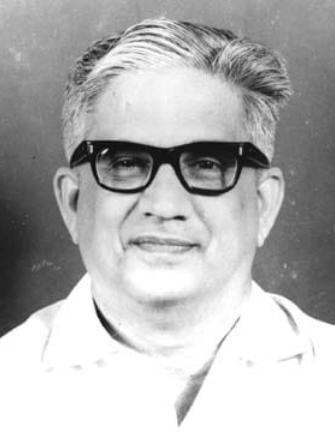
C. Achutha Menon (13 January 1913 – 16 August 1991), former Chief Minister of Kerala, was a visionary leader whose deep commitment to cultural advancement significantly shaped Kerala's intellectual landscape. As a firm believer in the power of cinema as an instrument of social change and education, he extended unconditional support to the formation of the Chitralekha Film Society in 1965.
Recognizing the society’s potential to democratize access to world cinema and foster critical thinking, Achutha Menon personally facilitated key resources to support its early activities. Most notably, he allotted a 16mm film projector—a crucial tool at the time for screening international classics—and granted permission to use Tagore Theatre in Thiruvananthapuram as a public screening venue. These contributions enabled Chitralekha to introduce landmark films by global auteurs to Kerala audiences, cultivating a new era of film appreciation and alternative cinema.
His proactive cultural policy and unwavering encouragement played a foundational role in establishing Chitralekha as one of India’s most influential film societies. Through his support, Achutha Menon helped embed cinema firmly within Kerala’s cultural and intellectual consciousness.
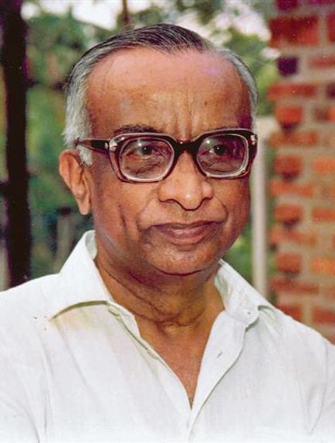
(13 May 1924 – 10 February 2010) was one of India’s most distinguished economists and a key architect of the country’s planned economic development. A Keynesian scholar and policy advisor to several Prime Ministers—from Jawaharlal Nehru to P.V. Narasimha Rao—he played a central role in shaping India’s early economic strategies, including drafting sections of the First Five Year Plan at the age of just 26.
Beyond his economic legacy, Dr. Raj was deeply invested in cultural and intellectual development, and served as a source of ideological and intellectual guidance to the Chitralekha Film Society. Though not directly involved in filmmaking, his association lent the society philosophical depth and critical direction, aligning its mission with broader goals of social consciousness and cultural awakening. His belief in inclusive development and his commitment to education and the arts made him a towering influence in Chitralekha’s formative years.
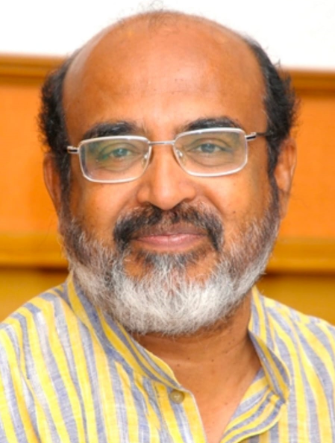
Dr. T. M. Thomas Isaac (born 26 September 1952) is an eminent economist, author, and public intellectual whose mentorship and unwavering support have significantly contributed to the cultural evolution of the Chitralekha Film Society. A former Finance Minister of Kerala and a central committee member of the CPI(M), Dr. Isaac has been deeply involved in shaping Kerala’s development vision through his roles in the Kerala State Planning Board and the People’s Planning Campaign.
With a PhD from the Centre for Development Studies, Dr. Isaac has authored over 50 books and numerous academic and policy articles, blending economic insight with grassroots cultural perspectives. His consistent encouragement of alternative and socially engaged cultural platforms has made him a key mentor to institutions like Chitralekha. His presence enriched the intellectual climate of the society, aligning its mission with progressive thought and inclusive cultural development.
Adoor Gopalakrishnan is one of India’s most celebrated filmmakers and a pioneering force behind the “New Cinema” movement in Malayalam cinema. Born in 1941 in Adoor, Kerala, into a family steeped in classical arts, he developed an early passion for performance and storytelling. A graduate of the Film and Television Institute of India (FTII), Pune, he emerged as a powerful voice in Indian cinema with his distinct style rooted in realism, depth, and cultural nuance.
In 1965, Adoor founded the Chitralekha Film Society, the first of its kind in Kerala, to introduce world cinema and foster serious film appreciation. A year later, he co-founded the Chitralekha Film Cooperative, where he served as chairman until 1980. These initiatives laid the foundation for Kerala’s vibrant film society movement and alternative cinema culture.
Adoor’s debut film Swayamvaram (1972) marked a watershed moment in Indian parallel cinema, winning four National Film Awards. His later masterpieces—Elippathayam, Mukhamukham, Mathilukal, and more—cemented his place as an auteur of international repute. His work has been honored with prestigious accolades including the Dadasaheb Phalke Award, the Padma Vibhushan, the FIPRESCI Prize, and the British Film Institute Award.
Through Chitralekha and his body of work, Adoor Gopalakrishnan not only redefined Malayalam cinema but also inspired generations of filmmakers to pursue cinema as a profound and socially relevant art form.
Kulathoor Bhaskaran Nair was a trailblazing figure in the Malayalam film industry, renowned for his contributions as a film producer, writer, and a leading architect of Kerala’s film society movement. He co-founded the Chitralekha Film Society, India’s first film cooperative, which played a transformative role in introducing world cinema to Malayali audiences and nurturing a generation of discerning film lovers.
As the Managing Director of Chitralekha, Nair worked closely with eminent filmmaker Adoor Gopalakrishnan to redefine Malayalam cinema through the promotion of artistic, socially relevant films. He produced landmark films like Swayamvaram and Kodiyettam, both of which received national acclaim and set new standards in Indian parallel cinema. Swayamvaram notably won four National Film Awards, including Best Feature Film and Best Director.
Beyond cinema, Nair was a literary figure — editing publications and writing poems, short stories, and novels. His cultural leadership and unwavering commitment to quality cinema continue to inspire filmmakers and cinephiles across generations. He passed away at the age of 83 in Thiruvananthapuram, leaving behind a rich legacy in Indian cinema.
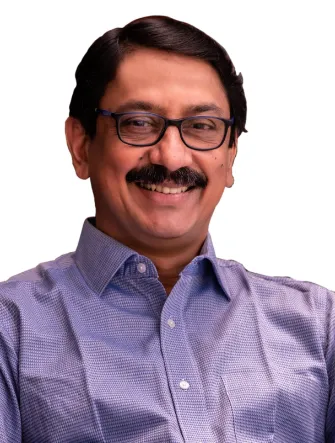
Former Chief Secretary to Government of Kerala, Dr Venu Vasudevan joined the Indian Administrative Service in 1990, and served the Government of India and the Government of Kerala in the sectors of Tourism, Culture, Disaster Management and Environment in various capacities. He retired from service in August 2024.
It was during his tenure as Director, Kerala Tourism, and later as Secretary, that Kerala transformed its market positioning and built up a strong private-public partnership. Kerala Travel Mart, the biggest international travel mart in India, is his brainchild. He played a pivotal role in formulating and rolling out the ‘Incredible India’ campaign of Ministry of Tourism. He was instrumental in Kerala embarking on the path of ‘Responsible Tourism’, and has been a vocal advocate of community rights and responsibility in tourism.
He served as Secretary, Cultural Affairs, Government of Kerala, during which period the International Theatre Festival of Kerala was established. He was instrumental in setting up and curating a new museum, ‘Keralam’. He served as Joint Secretary, Ministry of Culture, with responsibility over apex cultural institutions, libraries, archives and Museums. As Director General of the National Museum, he worked on the revival of National Museum, initiating a range of projects that improved arrivals, enhanced visibility, involved stakeholders and the academic community. He served as Vice Chancellor, National Museum Institute of History of Art, Conservation and Museology. From 2018 to 2023, he served as Additional Chief Secretary, Archaeology, Museums and Archives, Government of Kerala, during which time over ten new museums were established in Kerala.
Dr Venu has recently been appointed as the Chairperson of the Board of Trustees of the Kochi Biennale Foundation.
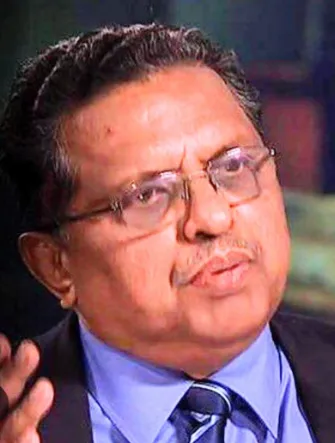
Shri Jacob Punnoose, IPS (RETD.), is a senior and highly respected officer of the 1975 batch of the Indian Police Service, with a distinguished public service career spanning nearly five decades. He served the Kerala Police with dedication and integrity for over 35 years, rising to the highest office of Director General of Police (DGP) and State Police Chief of Kerala.
He assumed charge as DGP (Law & Order) and State Police Chief on 26 November 2008 and retired on 31 August 2012. His tenure was marked by a strong emphasis on professional excellence, institutional reform, and public trust in policing.
During his long and impactful career, Shri Jacob Punnoose held several senior leadership positions within the Kerala Police and state administration, including Additional Director General of Police (Intelligence) and Director of Vigilance, before serving as State Police Chief.
As Chairman of the Kerala Police Act Review Committee, he made a significant contribution to the formulation of the Kerala Police Act, 2011, a landmark legislation that strengthened community policing, modernised police administration, and reinforced the rule of law in the state.
Over nearly fifty years in public life, Shri Jacob Punnoose initiated and supported progressive measures aimed at democratising police–people relations, promoting accessibility, transparency, and community-oriented policing. He strongly advocated the technological upgradation of policing to enhance intelligence capabilities, training standards, and operational efficiency. He also actively encouraged arts, culture, sports, and public health initiatives, both within the police force and among the wider public, reflecting his belief that policing is deeply connected to social well-being.
After retirement, Shri Jacob Punnoose has continued his engagement in institution-building and social development, contributing to community welfare, ethical governance, and public-interest initiatives. His career exemplifies leadership that blends authority with empathy, discipline with reform, and law enforcement with social responsibility.

Dr. Methil Devika has been an active dance practitioner-academic and contributor to the dance form of Mohiniyattam for the past three decades. An A graded artiste, Devika has been an empaneled artiste for Mohiniyattam at the Indian Council for Cultural Relations, Delhi, since 2004, and SPIC-MACAY (Society for the Promotion of Indian Classical Music and Culture Amongst Youth), since 2010, and has performed extensively both in India and abroad. Her most recent award was the ‘Driver of Change’ in the arts category from India Today, She has two national awards, two state awards and the the Madras Music Academy’s Best Dancer Award to her credit. She was also in the Oscar Contention list, 2018 for her dance documentary called Sarpatatwam (Serpent Wisdom). Her dance documentary ‘The Crossover’ that integrates Indian Sign Language with dance mudras has been screened at the Mumbai International Film Festival and also at IFFI 2024. She has been awarded Permanent Resident Visa by the Australian government in the global talent category for her contribution to the performing arts globally.
She has several dance and visual anthologies to her credit, many of which have been scripted and musically composed by herself. She worked as a Senior Research Associate at ISRO’s Indian Institute of Space Science and Technology. She is also awarded the Chief Minister’s Navakerala Post Doctoral Fellowship. She works as a research supervisor at the Kerala Kalamandalam Deemed University and has worked as an adjunct faculty member at the Sree Sankaracarya University of Sanskrit. She is a research guide in Mohiniyattam. She was a member of the research committee at York University, Canada. Devika’s global commissioned work include Ahalya - Reflections in Solitude, Navavaranam - The Divine Matrix, Peelipattu (The Song of the Feather), Uchchila (a work blending dance, Sanskrit theatre and the ritualistic theyyam), and the forthcoming Kaavattom and Heartsutra.
As a esoteric practitioner and teacher of Indian classical dance, she has been successful in adapting ancient knowledge systems into dance pedagogy and extending possibilities for students to adapt to any genre. Her mentors include Kavalam Narayan Panikker, Nelliyode Vasudevan Namboothiri, Melattur S. Natarajan, Kalamandalam Leelamma and Girija Chandran. In addition to her solo performances, Devika has also been contributing articles to different publications like Taylor & Francis, authored research papers, and conducted lecture demonstrations and workshops. She has a Ph.D in the performance practice of Mohiniyattam in 2014 and is a gold medal holder for MA(Dance) as well as MBA.
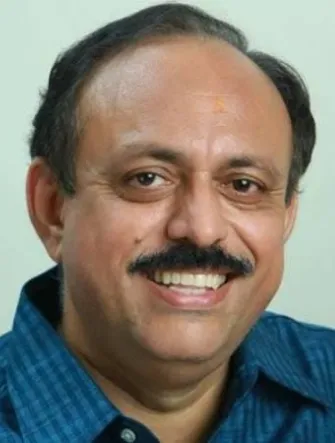
G. Suresh Kumar is a highly respected Indian film producer, actor, and cultural administrator with a career spanning over four decades. He began his journey in Malayalam cinema as an Assistant Director in Thiranottam (1978) and went on to establish himself as a leading producer, starting with Coolie (1982). Through banners such as Sooryodaya Creations and Revathy Kalaamandhir, he has produced 30 Malayalam feature films up to 2024, including landmark and critically acclaimed works like Poochakkoru Mookuthi, Ayalvasi Oru Daridravasi, Aram Thampuran, Kanezhuthi Pottum Thottu, Neelathamara, Rathinirvedam, and Vaashi. Since 2017, he has also acted in 28 Malayalam feature films, further expanding his creative contribution to the industry.
Beyond filmmaking, G. Suresh Kumar has played a significant leadership role in shaping Indian cinema and cultural policy. He has served as Chairman of the Kerala State Cultural Welfare Board, President of the Kerala Film Chamber of Commerce, Vice President of the Film Federation of India, and Executive Chairman of Janam TV. His influence extends to national institutions as a Jury Member of the 69th National Film Awards, a member of the Satyajit Ray Film & Television Institute, and various executive roles in film chambers and academies. Collectively, his career reflects a rare blend of creative excellence, institutional leadership, and lasting impact on Malayalam and Indian cinema.
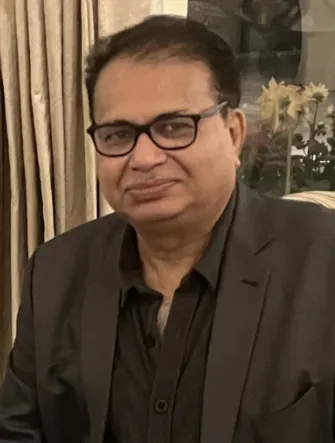
VK Cherian’s introduction to meaningful films was through Chitralkeha film society, established by filmmaker Adoor Gopalakrishnan at Trivandrum in the 70s where he was a student member. He moved to New Delhi in 1980 to be trained at Indian Institute of Mass Communication, later at Institute of Journalism (West Berlin). He is based in the capital as a communications professional and writer filmmaker. He continued his interest in meaningful films with his occasional writings in Malayalam and English publications across India. With the advent of national Television, made few news programmes for Doordarshan in the 80s and 90s. He worked with national media Delhi for over 20 years with Mathrubhoomi, Deccan Chronicle, Financial Express and The Hindu Businessline.
Cherian moved over to corporate communications with the telecom sector in 2000s and since then and worked as Director at Russian telecom major MTS and also Cellular Operators Association of India (COAI).
Published a book “India’s Film Society Movement: The Journey and its Impact in 2017(Sage). Chalachitra Vicharam, the book on film movements and people of those movements is his first book in Malayalam. “Celluloid to Digital: India’s film society movement “(2024), is a revised and the updated book of the earlier one on the history of India’s film society movement. His 7th book” Noon films and Magical Renaissance of Malayalam Cinema” was published in Jan 25.
He has made a few Documentaries, notable among them is Afrikhadi: The Thread that Binds. He is in the process of making two documentaries now. Cherian is based in New Delhi for the last 44 years. Curated film festivals for India International Centre, New Delhi during the last two years. Presented books at India International Centre and Bangalore International Centre. Presented a paper in a seminar at KIFF 30 on international film festivals of India.
Was honoured by Indian Institute of Mass Communication-Alumni association with a Life Time Achievement in 2024 and was listed in Hall of Fame by the Public Relations Society of India in 2015 for his campaign on radiation from mobile phones.
He was the jury member of Kolkata International film festival (KIFF) of 2024.
Has a monthly film/ arts column in English mathrubhoomi.com for the last three years.
He engages in social media-you tube- with talks on films, national politics, technology, and major historic events.
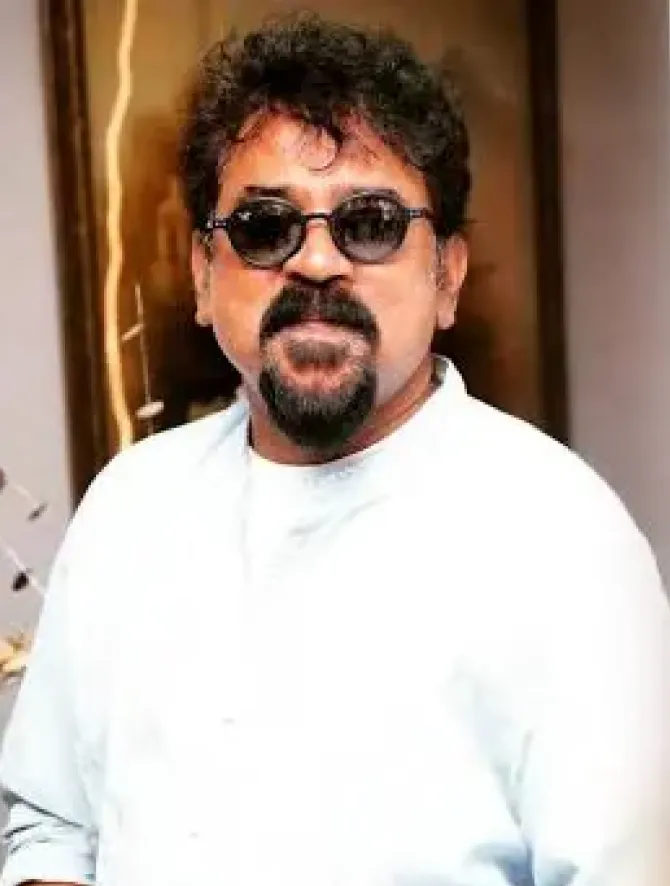
Santosh Sivan is an acclaimed Indian cinematographer, director, producer, and actor known for his visionary work in Malayalam, Tamil, and Hindi cinema. A graduate of the Film and Television Institute of India, Pune, he is widely regarded as one of India’s finest cinematographers, with over 55 feature films and numerous documentaries to his credit. He is the recipient of multiple National Film Awards, Filmfare Awards, and the prestigious Padma Shri for his remarkable contributions to Indian cinema. Santosh Sivan also became the first cinematographer from the Asia-Pacific region to join the American Society of Cinematographers, marking a historic achievement in Indian filmmaking.
As a filmmaker, Santosh Sivan has consistently blended artistic storytelling with visual brilliance, earning both national and international recognition. His celebrated works include critically acclaimed films and documentaries that showcase his mastery of cinematography and direction. With an enduring influence on contemporary Indian cinema, he continues to inspire generations of filmmakers through his innovative techniques, creative vision, and commitment to cinematic excellence.